HIIT: Everything you need to know about the training method.

01. What is HIIT?
HIIT stands for High Intensity Interval Training. It's high intensity because your pulse will reach up to 85 - 100% of your maximum heart rate. It’s interval training because you only reach this high heart rate at specific intervals. You choose these intervals so that you spend longer working out than relaxing. One example is Tabata training, whereby you work out in 20-second intervals with 10 seconds’ rest. One round consists of 8 repetitions and a session takes four minutes. Music or a timer indicates the interval duration.
02. What does HIIT training achieve?
Boosts metabolism, burns calories and afterburn effect: HIIT boosts your entire metabolic process. The best thing: it doesn’t just happen during the workout but also up to 72 hours afterwards. You'll burn calories while working out and also during post-training recovery. This is known as the ‘afterburn effect’. This is known as the ‘afterburn effect’. The amount of calories burned during a HIIT workout depends on the HIIT duration, your size, weight, age, training condition and naturally your heart rate during the workout. Fit people need to work harder to reach the same heart rate as a less fit person. Generally speaking, you can count on burning 200 to 400 kcal per 30 minutes of HIIT. This is slightly more than standard endurance training. Don't forget, however, that even more calories are burned due to the afterburn effect. Studies show that HIIT is more effective if the intervals are kept shorter, like with Tabata training.
Many people want to burn fat on specific areas of the body. However, this isn’t so easy. Your body requires energy in order to function and perform. It stores this in various, easily accessible sources. Blood sugar is an example of an easily accessible source of energy. Other sources of energy are only mobilised when this easily accessible source is no longer sufficient to cover energy requirements. These can then come from the body’s fat reserves.
According to various studies, HIIT is just as effective as a traditional cardio workout while taking up far less time. Interestingly, you'll stay fit despite the shorter workout.
Health benefits: Improves your entire cardiovascular system. Improved blood flow and blood production. The result: lower blood pressure, better blood cholesterol levels and normal blood sugar levels.
Due to the intense effort by your body during HIIT, growth hormones are activated and encourage your body to grow. Lactate (lactic acid) causes the burning sensation you feel in your muscles during exertion. The rest intervals during HIIT give your muscles an opportunity to break down lactate.
According to recent studies, you can improve your anaerobic endurance and VO2max with HIIT workouts. This is the value for measuring your body’s oxygen consumption. Athletes who no longer see an improvement in this value as a result of general endurance training can particularly benefit here. The haemoglobin value increases which improves the transportation of oxygen in your blood. The more oxygen you have, the better your performance.
03. Tip for building muscle with HIIT
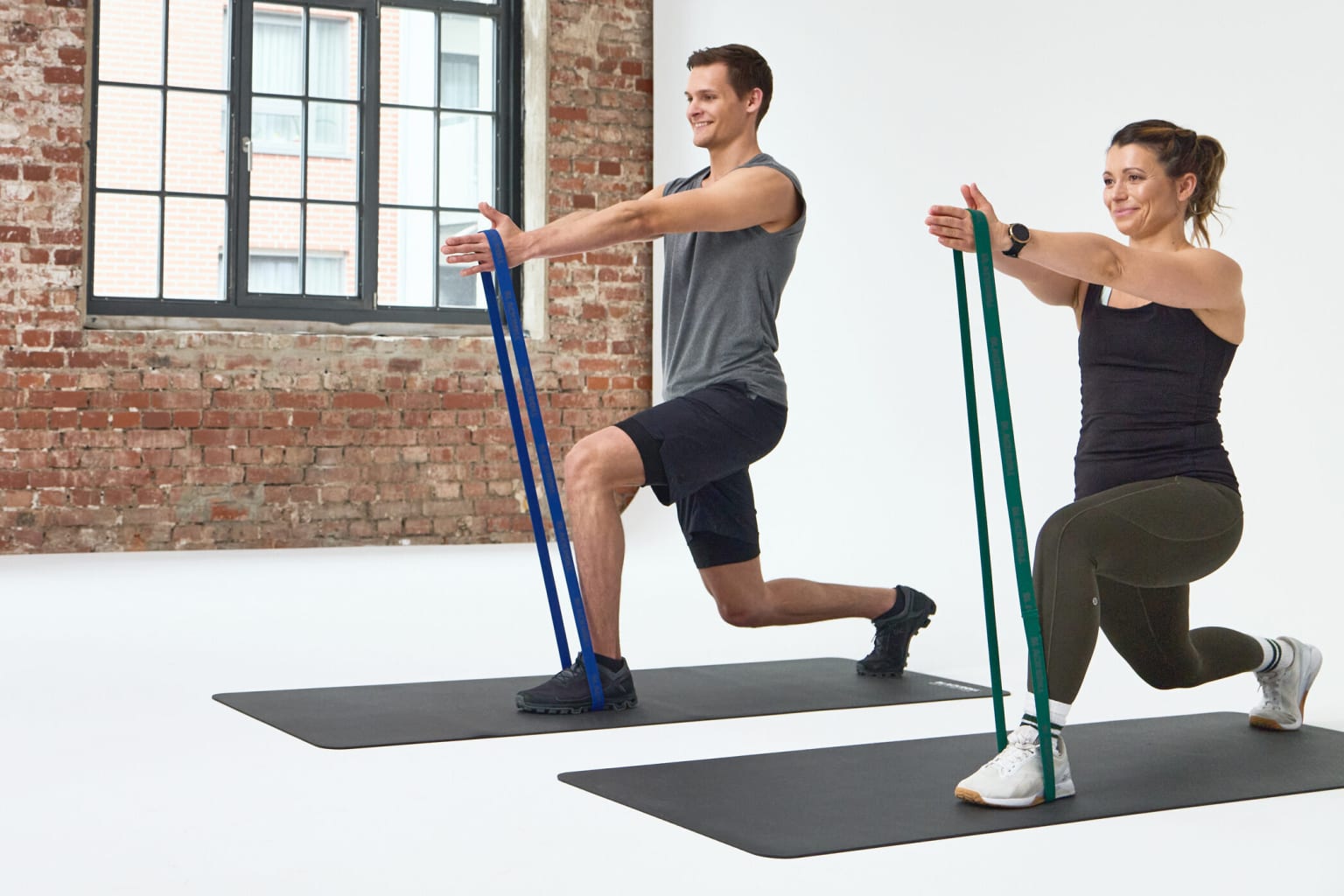
If you want to put in additional effort because you are using HIIT to build muscle and increase power, then you should use resistance bands. This increase muscle activity to at least 60% of your maximum power for real exertion. If you are already at an advanced level, training using simply your own body weight will no longer suffice to put the necessary strain on your tissue.
By using resistance bands during High Intensity Interval Training, you'll increase the intensity of exercises using your body weight. As a result, you'll increase the force that your body needs to work against. This encourages your muscles to grow. You will only see visible muscle growth by regularly increasing resistance and pushing your body to new levels. Resistance band training combined with HIIT offers a real alternative to strength training using equipment or free weights.
04. How often should you do an HIIT workout per week? For how long?
Multiple studies show that 40 to 60 minutes of HIIT two days a week are equally effective as five hours of Low Intensity Steady State Cardio Training per week. This includes sports such as jogging or cycling. However, this only works if you train 20 to 30 minutes per training day and recover well in between.
If you are a beginner, you should perform simple HIIT exercises such as jumping jacks or fast running on the spot. More complex exercises, such as burpees, not only require a greater degree of coordination but also correct technique. If the exercise is performed poorly, the HIIT workout will do you more harm than good. For more advanced exercises, you should at least have a basic understanding of core stability and its requirements. If the typical exercise intervals are too long for you initially, you can reduce the time to 10 or 15 seconds instead and increase your recovery time to 20 or 30 seconds.
05. Recovery after High Intensity Interval Training
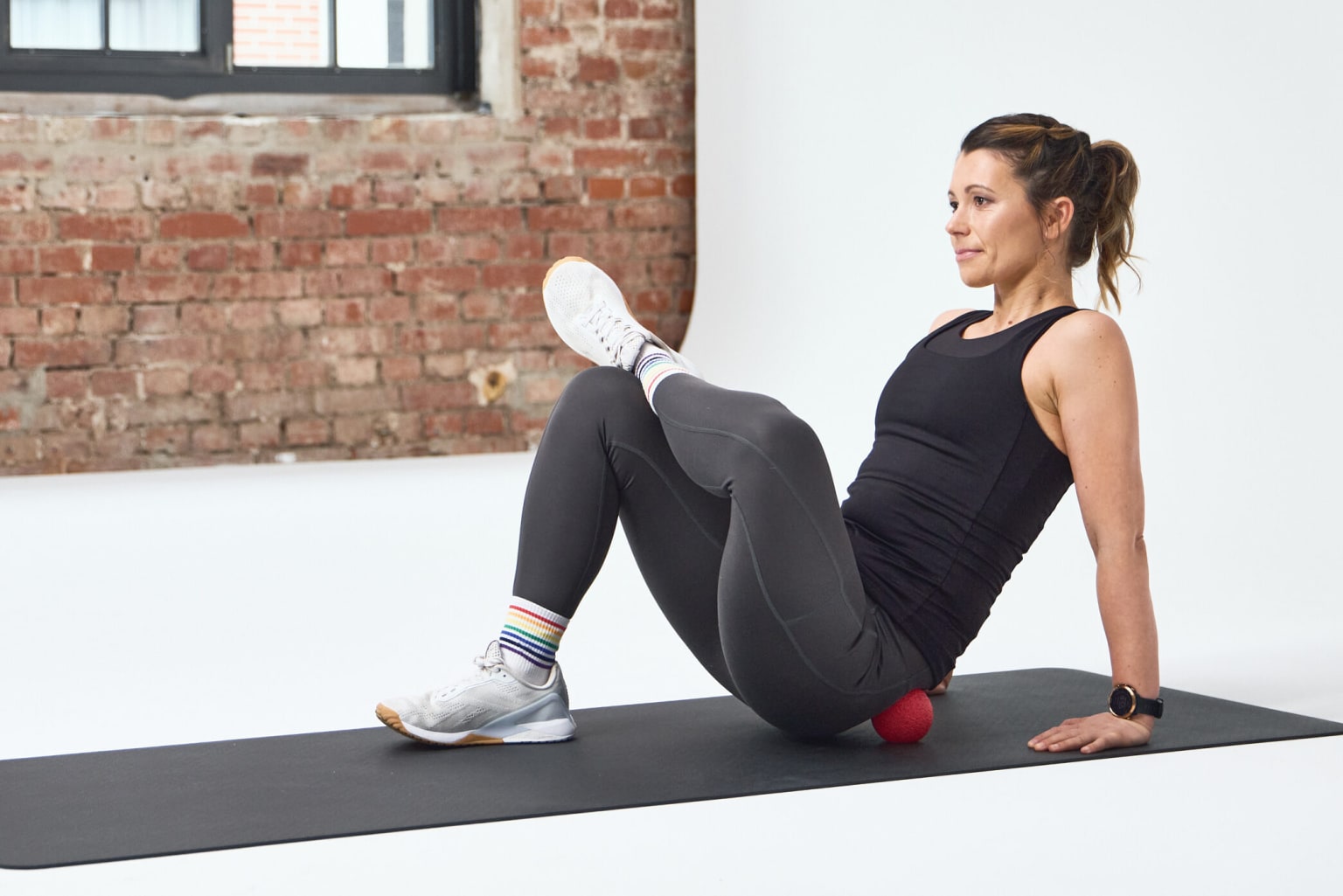
High intensity requires sufficient recovery. Unfortunately, recovery is often only minimally featured, if at all, on training plans. This can lead to issues such as overloading and result in poorer performance. HIIT places a high degree of stress on your body as it emits stress hormones such as cortisol during the workout. Many metabolic products are also produced from the muscle workout. That’s why it is extremely important to recover after intensive workouts. Allow two to three days of rest between HIIT sessions. Your body will repair any damaged fibres and garner energy for your next HIIT workout. Fascia rolls support active recovery and prevent muscle cramp.
06. HIIT or jogging?
In contrast to HIIT, you can also do Low Intensity Steady State Cardio Training. Steady State means a continuous form of aerobic activity in which you exert a steady level of energy such as lactate concentration in the blood, oxygen intake or heart rate for an extended period of time. Your degree of exertion remains at a sustained level throughout. You can determine this level by a specific heart rate range, such as 65 to 75% of your maximum heart rate. If you don’t want to determine this using a heart rate test, you can use a general rule of thumb to calculate your maximum heart rate. Subtract your age from 220. Example: You are 27, so you'll calculate 220 - 27 = maximum heart rate 193.
It always depends on your goals and what's personally important to you. The silver bullet here is a combination of the two which keeps you fit, strong and able to perform. If you continue to train at the same level, this will count towards your basic endurance levels. You'll benefit your cardiovascular system without overloading it. Of course, many healthy or older people benefit from this workout method. This method of training also works well in terms of recovery if a gentle workout is required. However, if you are ready to regularly push your own limits, HIIT provides safe and positive results for your body.